Placeholder photoFitted to one body
If a device is uncomfortable, an animal will refuse to wear it. We design around each animal's body shape and the reason it lost mobility, so the fit comes from the scan, not from repeated adjustments.
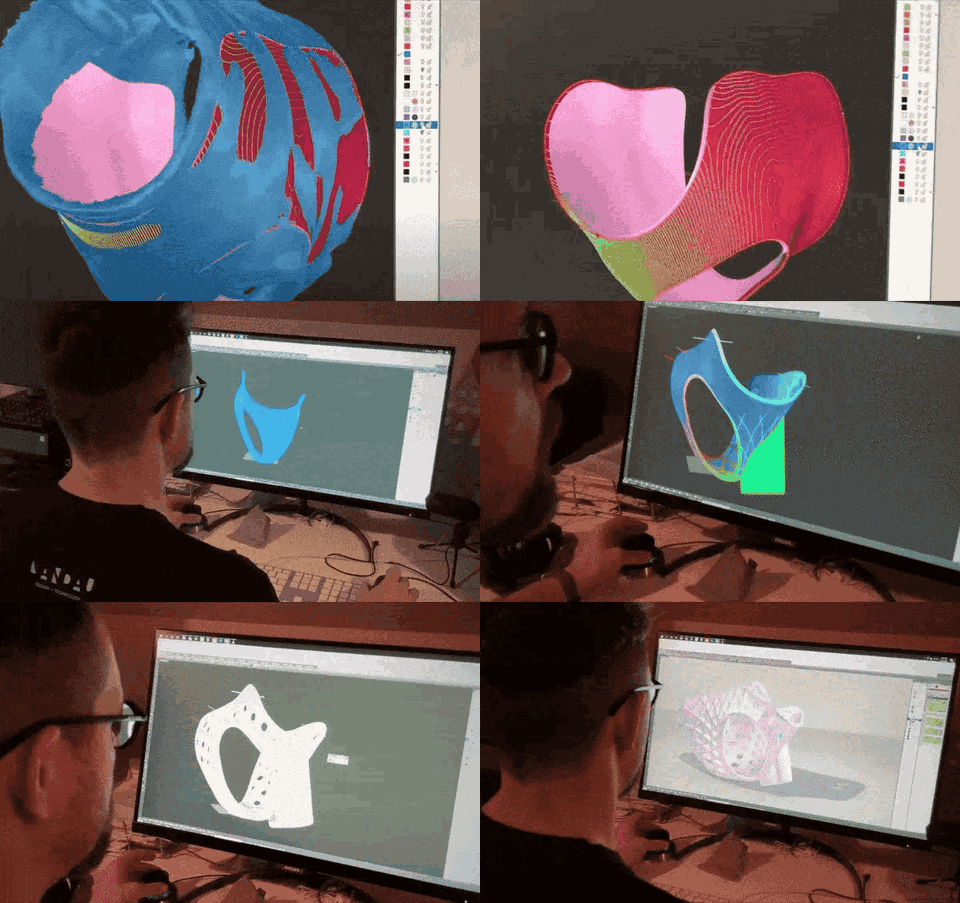
We are researching how biomechanical simulation and 3D printing can produce animal prosthetics that are lighter, fit better, and are easier to access. Each limb is modeled and tested in stress and gait simulation before anything is printed.
Every device we study starts as a scan, is tested in simulation, and is 3D printed to fit one animal.
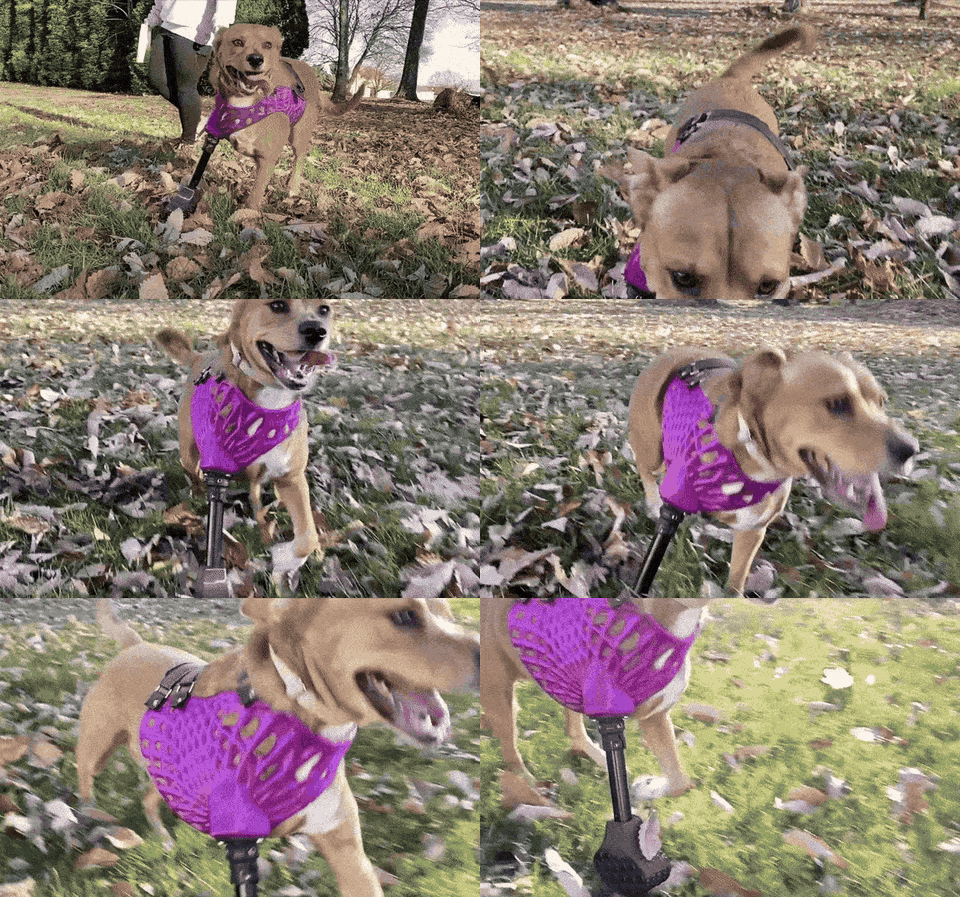
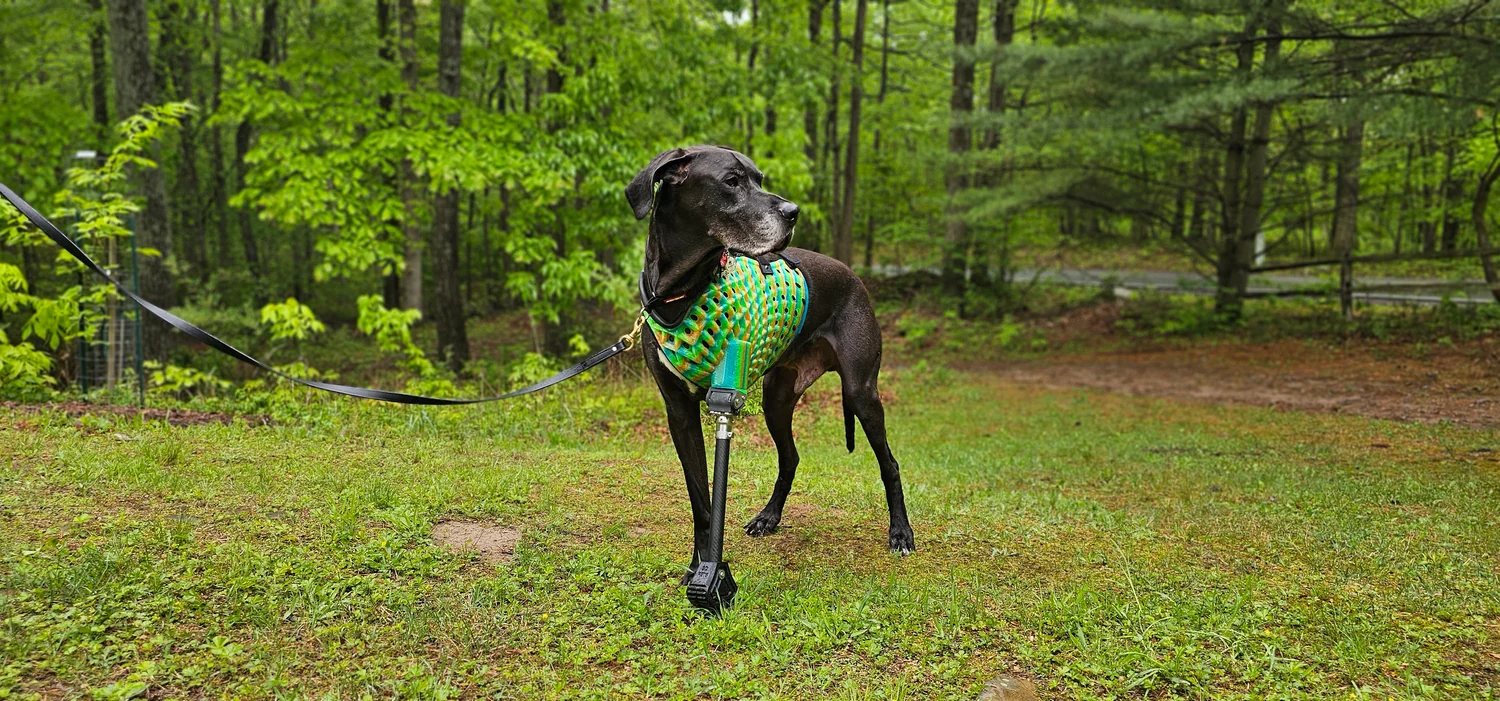
Placeholder photoReplacement limbs with a scan-matched socket, optimized for each animal's weight and gait.
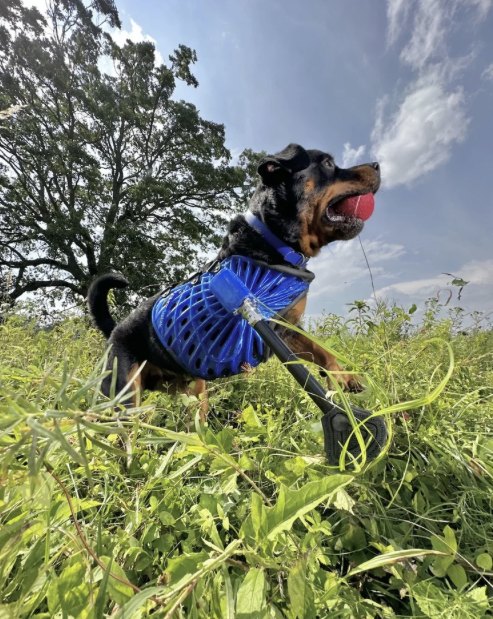
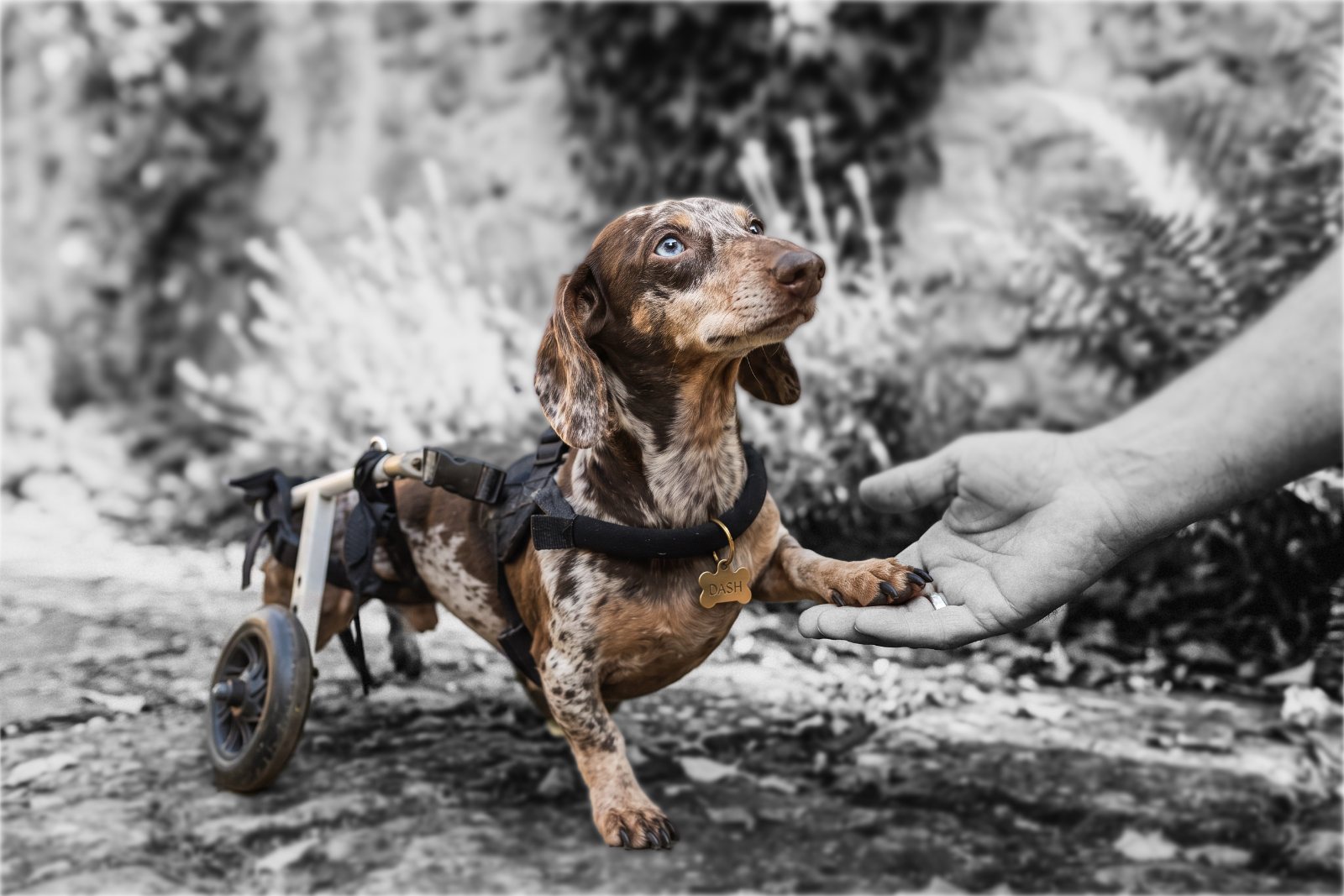
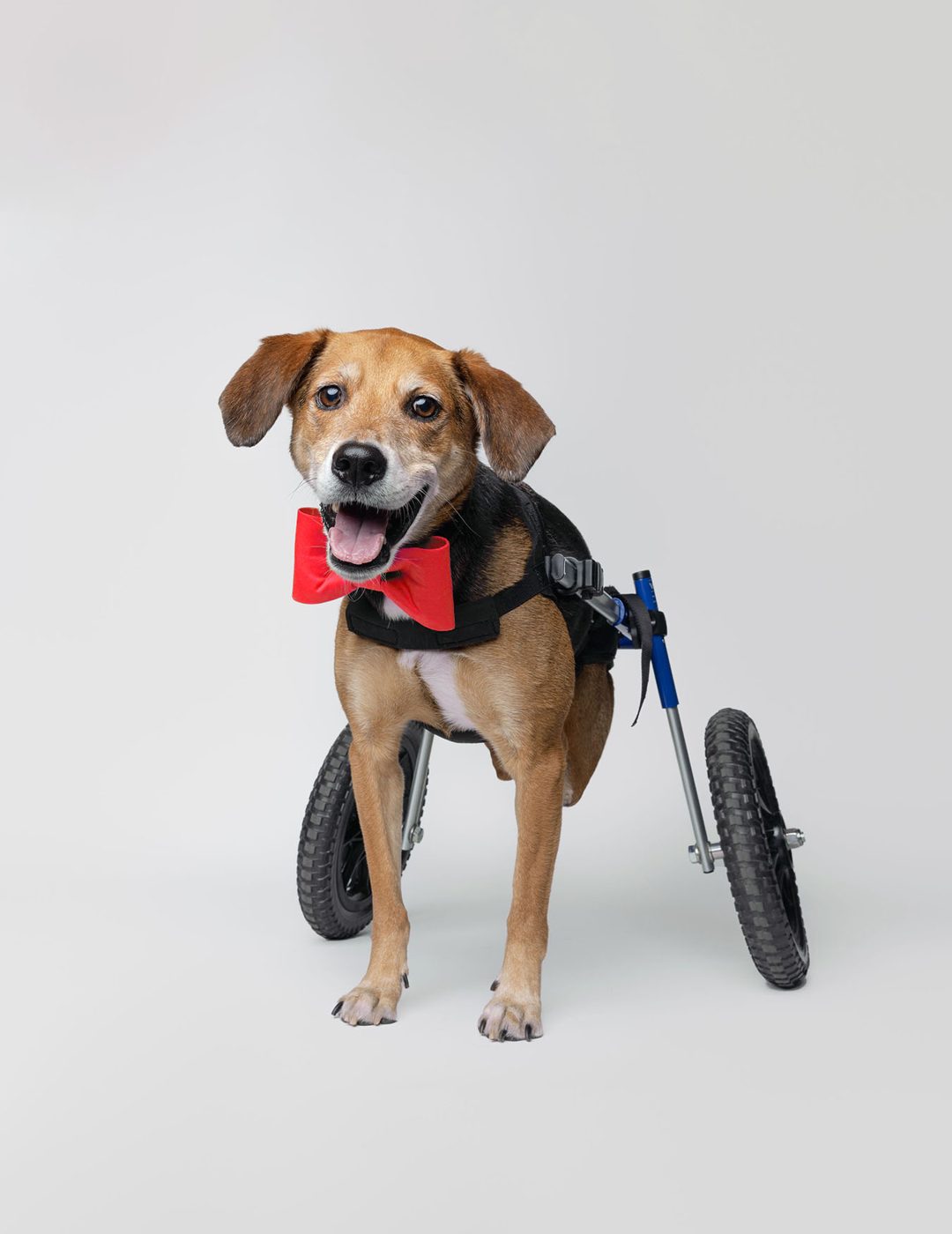
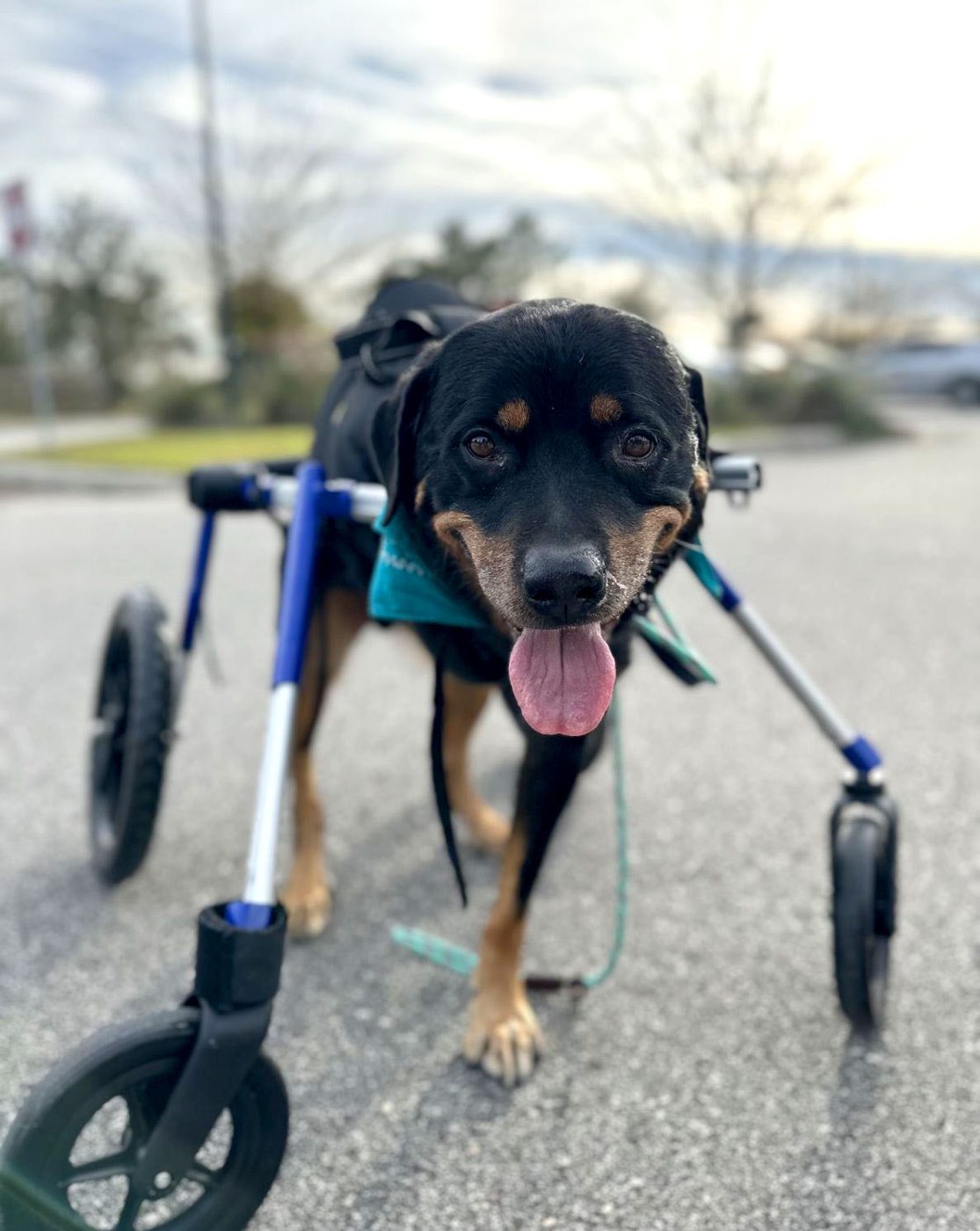
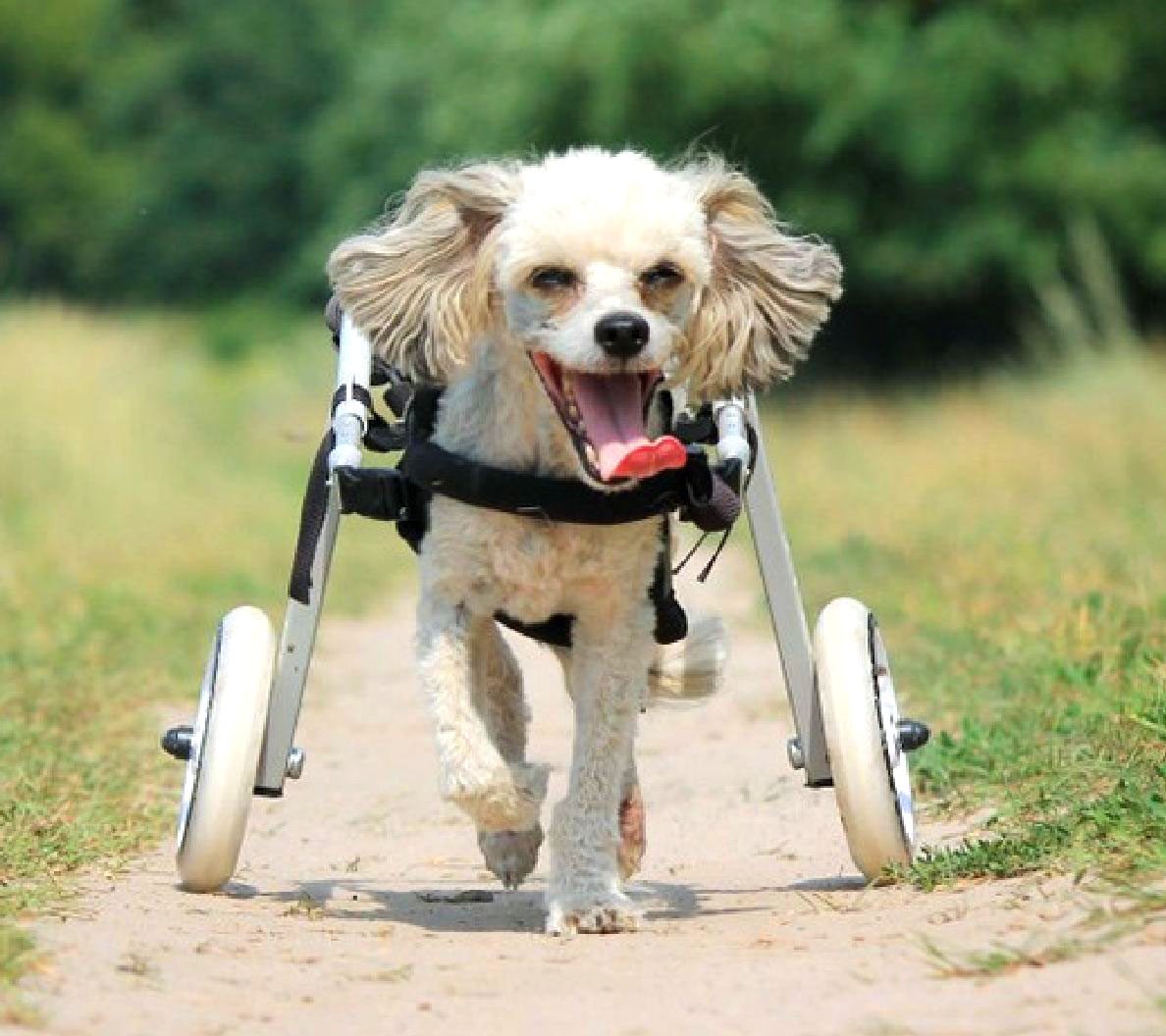
Placeholder photo3D-printed frames and fittings sized to the body, for animals who need full support.
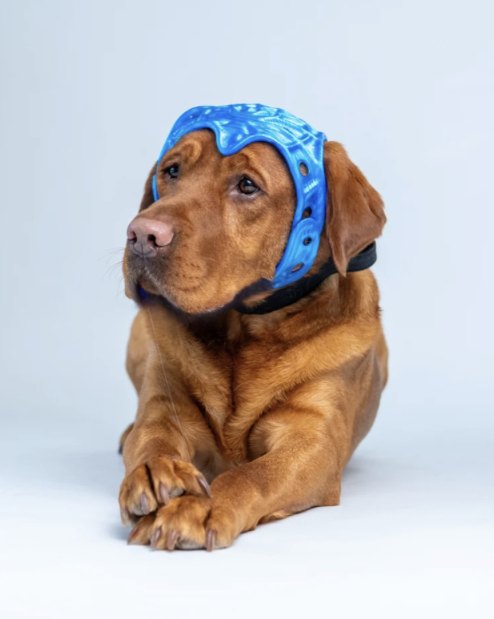
Placeholder photoLightweight lattice helmets that protect the head after surgery, injury, or seizures.
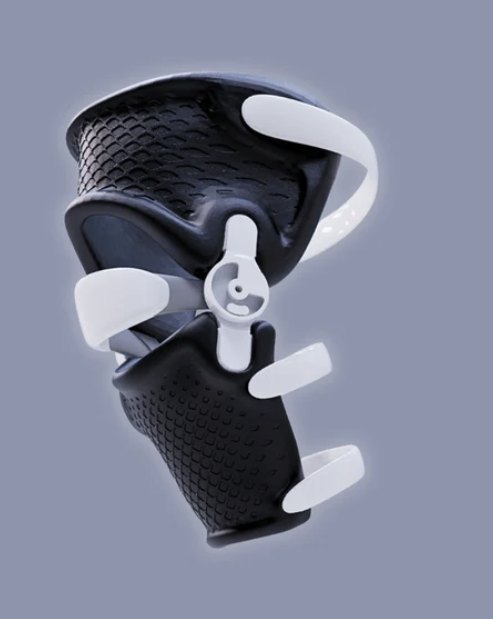
Placeholder photoHinged knee braces that stabilize the stifle joint during recovery or as an alternative to surgery.
Every year many animals lose limbs to accidents or illness. Few of them ever get a prosthetic.
Most devices are hand-built from molds, then adjusted again and again in the clinic. That makes them expensive, slow to produce, and hard to scale.
Every animal has its own shape, weight, and gait. Generic devices cause discomfort, sores, and early mechanical failure.
Car and aerospace parts are perfected in simulation before they're built. Veterinary devices haven't had that workflow, so smaller practices can't offer them at all.
We solve structural problems on screen, before fabrication, instead of in the exam room.
A veterinary partner scans the limb with a phone's LiDAR sensor, or makes a simple cast. Weight and activity level are recorded too.
The scan becomes a digital model of the animal. We design a custom socket, jacket, or brace shell around it.
Stress and gait simulations test the design against walking, running, and turning. Topology optimization removes material that carries no load.
The device is printed layer by layer in flexible TPU and strong nylon, with material only where the simulation says it's needed.
Each part is sanded, inspected, and fitted with straps and padding. The vet team fits it and records how the animal moves.
Each prototype gets an engineering summary: which animal it was designed for, which loads it was tested against, and where the stress concentrates. This makes every design reviewable and repeatable, which is the point of doing this as research.
Illustrative example of the report format. Values are placeholders, not test results.
Because each device starts as a digital model, the method isn't limited to standard dog sizes. If a limb can be scanned or measured, it can be simulated and printed.
These are the differences our project sets out to test.
| Traditional handmade | Simulation-first approach | |
|---|---|---|
| Fit | Molds and repeated manual adjustments | Scan-matched, checked in simulation before printing |
| Strength | Tested on the animal, after delivery | Tested against walking and running loads on screen |
| Weight | Material added "to be safe" | Material only where load flows (topology optimization) |
| Access | Skilled labor per device, long lead times | Digital workflow that local 3D printers can reproduce |
| Waste | Subtractive cutting and discarded molds | Additive printing uses only what's needed |
Our early computational models show promising results. The next step is testing physical prototypes with veterinary experts.
Biomechanical loading models, FEA, and topology optimization of early designs.
3D printing first prototypes and testing them on the bench against simulated loads.
Fitting and observing prototypes with veterinary and rehabilitation specialists.
Publishing our methods and results so other labs and clinics can build on them.
Every animal in our project is evaluated, fitted, and followed by licensed veterinary professionals. We're looking for people who can help us test and improve the method.
Veterinary schools & teaching hospitalsResearch collaboration on complex mobility cases.
Orthopedic & rehabilitation specialistsClinical feedback on fit, comfort, and gait.
Animal sanctuaries & rescuesReal cases where a custom device could help.
Faculty & fellow researchersMentorship in biomechanics, materials, and veterinary science.
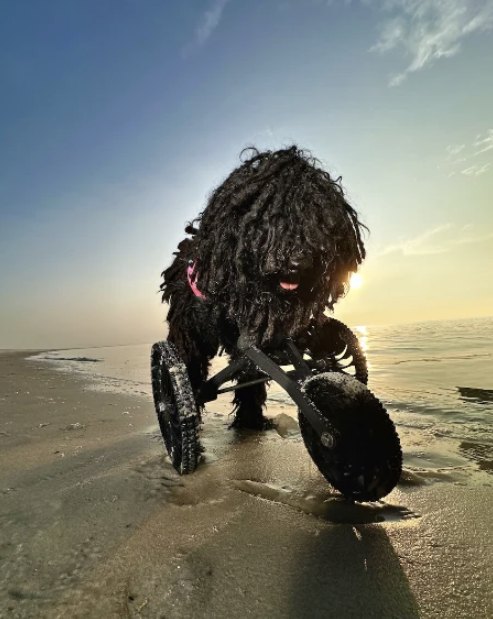
When a prosthetic isn't the right answer, for example with rear-limb paralysis, mobility carts help. We're exploring how the same scan-and-simulate method can produce 3D-printed fittings that adapt a cart to the animal's exact body.
Animals can't ask for help themselves. If engineering can lower the cost and time of a good-fitting device, more pets, rescues, and sanctuary animals can get back on their feet.
Topology optimization and 3D printing cut waste compared with subtractive manufacturing, and local production cuts shipping.
Leads mechanical design of the prosthetics, with hands-on experience in CAD, computational design, and digital fabrication. She volunteers at local animal shelters, which keeps the project close to real animal-care challenges.
Leads biomechanical simulation and engineering validation: load calculations, finite element analysis, and loading models that make every design durable and comfortable.
Placeholder photoIf a device is uncomfortable, an animal will refuse to wear it. We design around each animal's body shape and the reason it lost mobility, so the fit comes from the scan, not from repeated adjustments.
PlaceholderThe scan is cleaned up and edited on screen. We mark where the device should press, flex, or stay clear of sensitive areas.
Every change happens before anything is printed, and each design is saved so it can be reviewed and repeated.
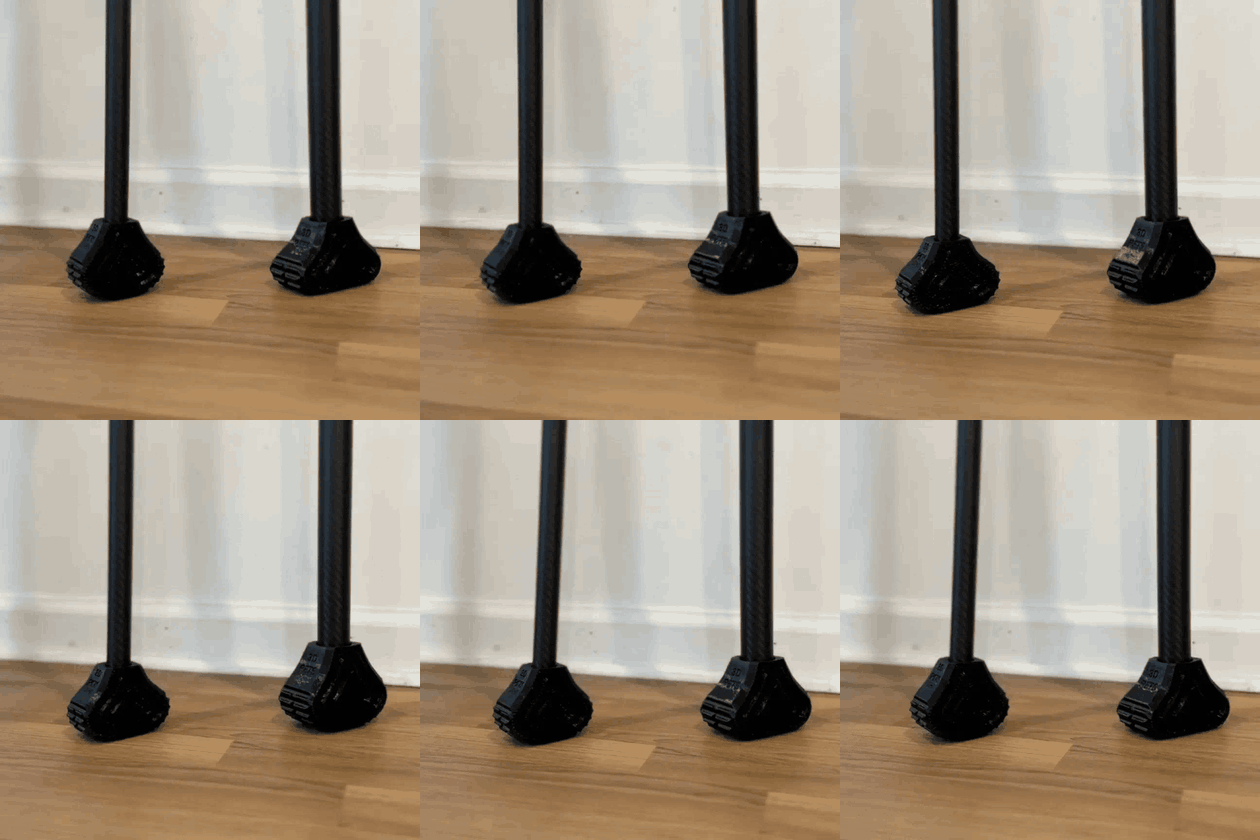
PlaceholderA printed foot that compresses on landing to soften every step, with a tread that grips both floors and grass.
We test each foot design in simulation and on the bench, then improve it from what the veterinary team observes.
PlaceholderAn animal missing a limb puts extra load on the others. Over time that leads to fatigue, hyperextension, and arthritis in the remaining legs.
Our research goal is a prosthetic that shares that load. With gradual training, a well-fitted device can give an animal its stride back.